
3. Where to Begin with Claude Code, For Real Estate Professionals
Post 3 gives a sense of what could be accomplished by real estate analysts, consultants, brokers, investors–you name it–with these new and radically different tools.
7 articles
Post 3 gives a sense of what could be accomplished by real estate analysts, consultants, brokers, investors–you name it–with these new and radically different tools.
Post 2 is for those who have had experience with programming, and who have either used or would like to use an integrated development environment (IDE) with Claude. As in the first post, this one provides the minimum set of skills and steps necessary to get up and running, and like the first the goal is to get far enough to be able to work together with Claude to learn and experiment. It’s a little more challenging.
Post 1 is for people with little or no programming experience who want to get to work with Claude Code; the path to that lies through the Unix Terminal. The goal of this first article is to show that this path quickly gets one to interacting with Claude Code, which can then provide a path to scripting, skills, projects, and even application development.
There are four posts in this series. This one (Post 0) is an index to help you decide where to start. The next (Post 1) is for people with little or no programming experience who want to get to work with Claude Code; the path to that lies through the Unix Terminal. The goal of the first article is to show that this path quickly gets one to interacting with Claude Code, which can then provide a path to scripting, skills, projects, and even application development.
The third post (Post 2) is for those who have had experience with programming, and who have either used or would like to use an integrated development environment (IDE) with Claude. As in the first post, this one provides the minimum set of skills and steps necessary to get up and running, and like the first the goal is to get far enough to be able to work together with Claude to learn and experiment. It’s a little more challenging.
The final post in the series (Post 3) gives a sense of what could be accomplished by real estate analysts, consultants, brokers, investors–you name it–with these new and radically different tools.
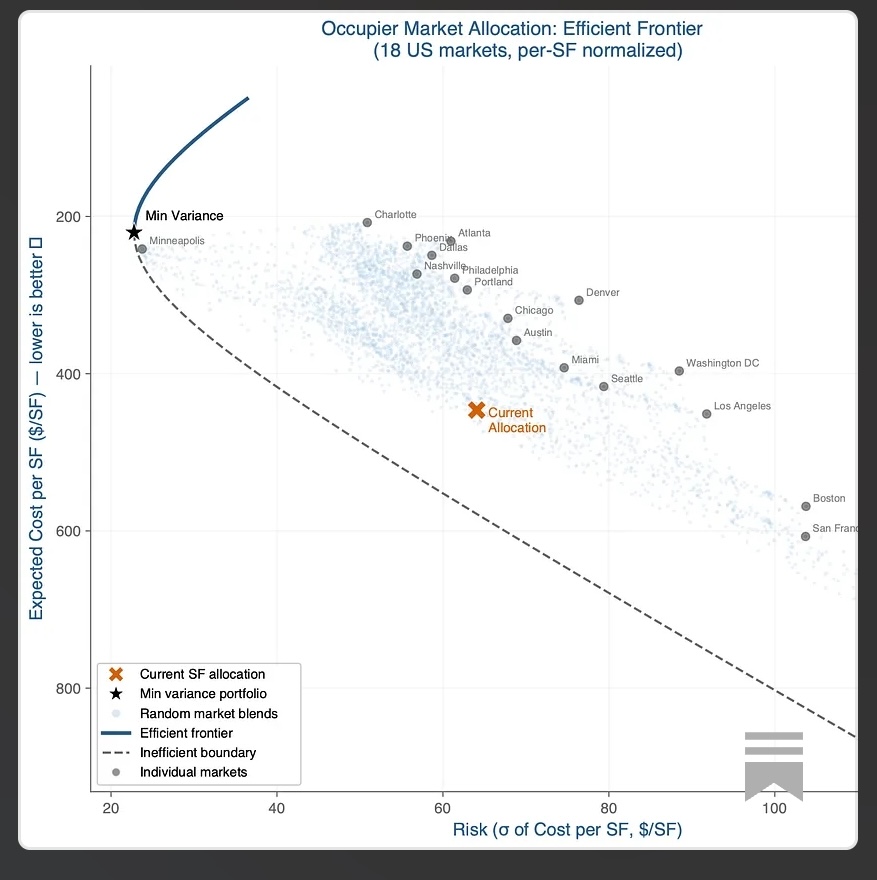
Large corporate occupiers have portfolios that represent a significant percentage of their expense base. Could one apply the tools used by portfolio managers to optimize lease portfolios in terms of cost and risk?
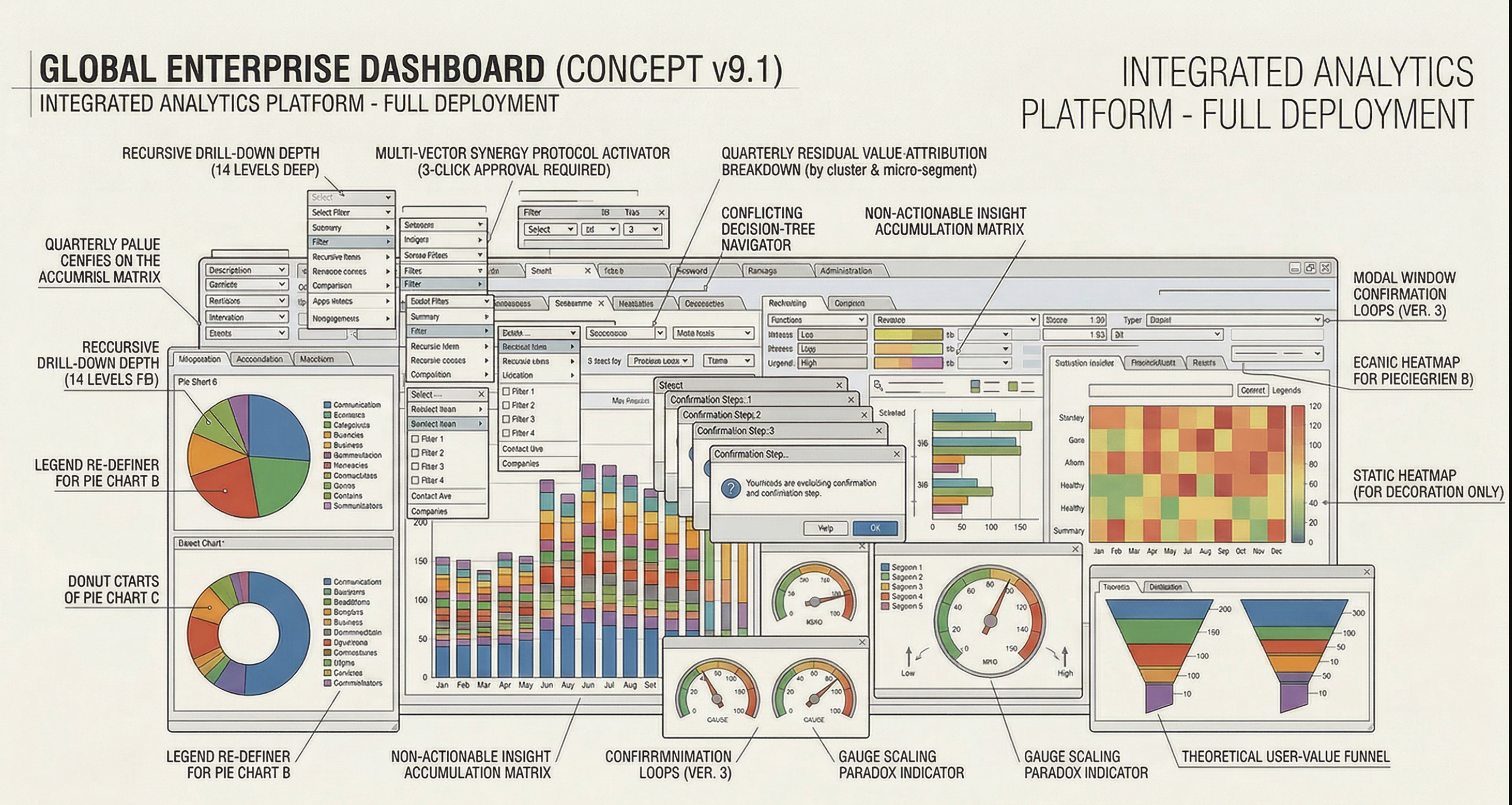
AI technology is moving fast and breaking things, including our confidence in tried-and-true tools like dashboards. Reflecting on their future brings up uncomfortable questions, such as “were they ever really useful?”
An examination of final offer arbitration commonly used in real estate contracts, analyzed through the lens of game theory.